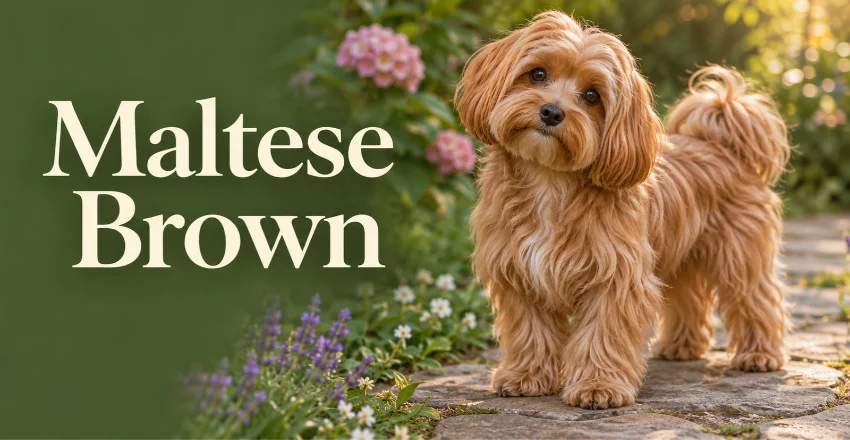
Searching for a maltese brown puppy can quickly become confusing. Photos show chocolate, caramel, tan, and cream dogs carrying that label. Yet recognized breed standards tell a different story for U.S. buyers.
Direct answer: A solid brown dog is not a recognized purebred color under the American Kennel Club breed standard. Brown-looking puppies may be mixed breeds, unusually shaded dogs, or dogs photographed under misleading lighting. Buyers should verify pedigree, parentage, health records, and breeder claims before paying a premium for color.
| Question | Quick answer |
|---|---|
| Is solid brown a recognized AKC color? | No |
| Standard coat color | White |
| Other AKC registration colors | White and lemon; white and tan |
| Can light colors appear on the ears? | Yes, limited lemon or tan can occur. |
| Is a chocolate coat considered rare purebred coloring? | No |
| What may a brown-looking puppy be? | Often a mix or a dog with misleading color presentation |
| Best buyer priority | Health, documented parentage, temperament, and breeder transparency |
Key Takeaways
* The AKC breed page lists white, white and lemon, and white and tan. * A fully chocolate or brown coat does not match the recognized breed standard. * Mixed dogs can inherit brown, cream, apricot, or other coat colors. * Tear staining and saliva can create reddish-brown areas on pale hair. * Photography, indoor lighting, filters, and wet fur can change visible coat color. * Buyers should request pedigree records and verifiable health information. * Color should never outweigh health, temperament, or responsible breeding practices.
What Maltese Brown Usually Means
The AKC currently describes this toy breed as having a long, silky, white coat. Its color listings include white, white and lemon, and white and tan. Solid chocolate or brown does not appear among those recognized choices. That distinction matters when someone advertises a “rare” purebred brown puppy.
A purebred Maltese should not have a fully brown coat under the U.S. breed standard. A brown dog with similar features may instead have ancestry from another breed. The term used in online listings is often descriptive rather than official.
Sellers may use popular search language because buyers recognize it. That marketing language does not change the documented breed standard.
Recognized Colors for the Breed
White remains the defining coat color under major U.S. standards. The AKC allows white and lemon or white and tan as registration colors. Its official standard still describes the dog as covered with long, silky, white hair. The United Kennel Club takes a similarly narrow approach. Its standard calls for pure white while permitting ivory or traces of orange.
Those traces are considered imperfections rather than separate solid coat varieties. Small areas of pale shading therefore require context. Light lemon or tan near the ears does not equal a chocolate coat. Buyers should distinguish subtle permitted shading from an entirely different body color.
Why Some Dogs Look Brown
Mixed ancestry is one common explanation for a genuinely brown coat. A Maltese parent can be crossed with another small breed carrying darker color genes. The resulting puppy may keep a small frame and soft coat while showing brown, apricot, cream, or patterned hair.
Common companion crosses can include Poodles, Shih Tzus, Chihuahuas, Pomeranians, or Yorkshire Terriers. Coat texture and color can vary greatly within mixed litters. Two puppies from the same litter may also look surprisingly different as adults.
Photos create another source of confusion. Warm indoor bulbs can make cream hair look tan or caramel. Filters and automatic phone adjustments can deepen those tones even further.
Wet fur can also appear darker than dry fur. Clipped coats sometimes expose deeper shading close to the skin. Neither effect proves that the dog carries a recognized brown variety.
Brown markings can sometimes be staining.
A pale Maltese coat can develop reddish or brownish staining around the eyes and mouth. Tears, saliva, moisture, grooming habits, and environmental factors can contribute. Staining should not be confused with genetically brown hair.
Color around the face may also change as hair grows. Owners sometimes notice darker tips or discolored areas after repeated moisture exposure. Proper grooming can help identify whether pigmentation comes from the hair itself.
Persistent eye discharge deserves more attention than cosmetic cleaning alone. Irritation, blocked tear drainage, dental problems, or other conditions may contribute. A veterinarian can assess recurring discharge or sudden changes.
Genetics Matter More Than Marketing Names
Coat color comes from inherited genetic instructions controlling pigment production and distribution. Different breeds carry different combinations of those genes. Crossing two breeds can therefore produce colors absent from one parent breed’s standard.
A brown puppy can still be healthy, affectionate, and suitable for a loving home. The important issue is accurate identification rather than judging the dog negatively. Problems begin when a mixed puppy is falsely marketed as an unusually colored purebred.
Terms such as “rare chocolate,” “exclusive color,” or “designer purebred” deserve careful scrutiny. A high price does not establish pedigree authenticity. Documentation should support any claim about ancestry.
DNA testing may provide useful ancestry clues for some dogs. It should complement breeder records rather than replace responsible breeding documentation. Results can also vary between testing companies and reference databases.
What U.S. Buyers Should Check Before Choosing a Puppy
A responsible purchase starts with information rather than color. Ask the seller to explain the puppy’s parentage clearly. Avoid sellers who become evasive when asked why the coat differs from the recognized standard.
Use this buyer checklist:
1. Ask to see the puppy with its mother when practical. 2. Request pedigree or registration documents for claimed purebred parents. 3. Confirm registration details directly when documentation is provided. 4. Ask which health screenings were completed on both parents. 5. Request veterinary records for the puppy. 6. Review the purchase contract and health guarantee carefully. 7. Ask whether another breed appears anywhere in the recent ancestry. 8. Avoid paying extra solely because a seller calls the color “rare.” 9. Compare photographs taken in natural daylight. 10. Arrange an independent veterinary examination after purchase.
Good breeders should welcome informed questions. They should explain both strengths and limitations within their breeding program. Pressure tactics or vague answers are reasons to continue looking elsewhere.
NewsParq readers can also browse the site’s Pets section for broader animal-care material. Its recent guides, such as the 6-month-old kitten guide, cover health, development, safety, and everyday ownership topics. The existing Maine Coon lifespan guide also shows how genetics and preventive care affect long-term pet planning.
Put Health Before Coat Color

Color is easy to notice, but health deserves more weight. The American Maltese Association publishes educational material about several breed-related health concerns. Its resources discuss issues involving knees, liver function, heart health, and other conditions.
The association discusses luxating patellas as a concern seen in this breed and other toy dogs. It also provides detailed information about liver shunts and microvascular dysplasia. These resources reinforce why breeder health practices matter more than unusual appearance.
OFA records can also help buyers understand screening results when breeders participate. A CHIC number confirms required tests were completed and publicly released. It does not automatically mean every result was normal.
Ask breeders which examinations apply to their breeding dogs. Request actual results rather than relying on phrases like “vet checked.” A transparent breeder should be comfortable discussing documented findings.
Caring for a Light or Darker Companion Coat
Coat care depends partly on texture, length, and lifestyle. Long single coats require frequent brushing to prevent tangles and mats. Purina also describes the traditional breed coat as long and low-shedding. Dogs wearing shorter companion trims still need regular grooming. Hair around the face, paws, ears, and sanitary areas needs particular attention.
Routine handling also makes professional grooming less stressful. Bathing frequency should match the individual dog’s skin and activity. Use products made for dogs and rinse them thoroughly. Harsh whitening products should never replace veterinary care for irritated skin.
Dental care also matters in small companion dogs. Introduce brushing gradually with canine toothpaste. Your veterinarian can recommend a dental schedule based on your dog’s mouth.
Frequently Asked Questions
Are Maltese brown dogs purebred?
A fully brown coat does not match the current AKC breed standard. The recognized coat is white, with limited lemon or tan possibilities. A truly brown dog may have mixed ancestry or another explanation for its appearance.
Can a purebred puppy have tan ears?
Yes, limited tan or lemon coloring can occur. The AKC lists white and tan, plus white and lemon, as registration options. Those markings are different from an entirely brown body.
Why does my white dog’s face look brown?
Tears and saliva can discolor pale facial hair over time. Moisture and debris may make staining more noticeable. Persistent discharge should be discussed with a veterinarian.
Are brown puppies more expensive?
A seller may charge more after describing an unusual coat as rare. That pricing does not prove recognized purebred status. Judge the breeder using health records, parentage, care standards, and transparency.
Can DNA testing prove a dog is purebred?
DNA ancestry tests can provide useful information about likely genetic background. They should be considered alongside pedigrees and breeder records. No consumer test should replace careful evaluation of breeding practices.
What should I do if a breeder claims brown is an official rare color?
Ask for the specific registry standard supporting that claim. Compare the statement with the current AKC breed information. Avoid paying a premium when the documentation does not support the marketing.
Choose the Dog, Not the Color Claim
An unusual coat can be beautiful without needing a misleading label. The safest approach is to separate appearance from claims about pedigree. Responsible ownership starts with accurate information, health, temperament, and realistic expectations.
U.S. buyers should compare breeder statements with recognized standards before paying a deposit. Ask for documentation and verify anything that affects price or pedigree. A careful decision protects both the buyer and the puppy.
For more practical animal-care reading, explore NewsParq’s Pets coverage and its guide on how to pet a dog safely. Those resources can help new owners build better everyday routines. Veterinary advice should guide individual health questions.