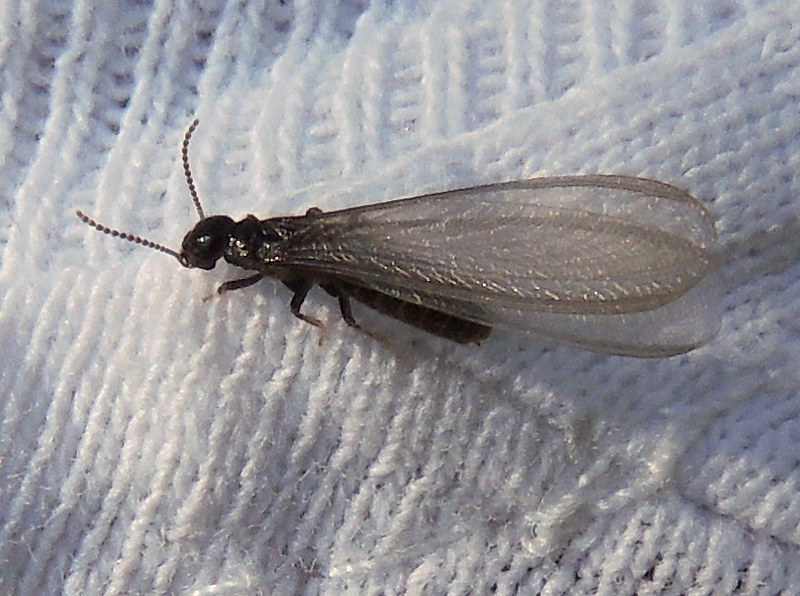
Imagine this nightmare scenario: you’re minding your own business when suddenly you notice termite nests near your doorway and visible ruts across your wooden furniture. This alarming discovery calls for immediate termite treatment pest control Adelaide. Few things are as distressing as spotting termites inside your prized wooden possessions—from beams and ceilings to chairs and tables. A severe termite infestation can cost you hundreds or even thousands of dollars in repairs. The process typically begins with eradicating all termites, then assessing which wooden structures and furniture can be salvaged and which need replacement.
Because termites can cause extensive damage, it’s crucial to engage a reputable pest control professional or adopt an effective extermination strategy before proceeding with any home renovation or furniture replacement. Even if only a small number of termites remain, your problem can resurface after a few months or years. Termites are among the most destructive pests because they target every wooden element in a home. Since every well-designed space contains wood, the risk of termite infestation remains persistent and ongoing. More from us: Transfer on Death Deed.
Termites consume wood from the inside out, turning it into a fragile shell as they transform your home into their colony. Unfortunately, by the time an infestation becomes noticeable, the damage is often significant, as termites are hard to detect by untrained eyes. When you see termites actively damaging structures outside your home, it may already be too late, forcing you to bear costly expenses for fumigation and extensive repairs.
To properly assess the damage, a termite pest control expert will conduct a thorough inspection of every nook and cranny of your property. Before termite elimination can be effectively carried out, your entire home must be examined to ensure all pests, including the queen termite, are eradicated. Keep in mind that fumigation may cause surviving termites to migrate to neighboring homes. Often, infestations occur due to the spread from nearby treated properties. For this reason, preventative measures are essential.
Applying termite-resistant chemicals to your wooden structures can make the wood bitter and unpleasant for termites, deterring them from settling. This proactive approach helps you avoid the worst-case scenario of dealing with advanced stages of termite infestation problem. Regular maintenance and vigilance are key to protecting your home from these persistent pests.
Frequently Asked Questions About Termite Infestations
Early signs include small holes in wood, termite droppings (also called frass), mud tubes along walls or foundations, and hollow-sounding wood. Regularly inspecting wooden areas and hiring professional inspections can help detect termites before severe damage occurs.
Common treatments include liquid termiticides, termite baits, and fumigation. The best option depends on the extent and location of the infestation. A professional pest control expert can recommend the most suitable treatment plan for your situation.
DIY methods may reduce termite activity temporarily but rarely eliminate an entire colony, especially the queen. Professional treatment ensures complete eradication and reduces the risk of re-infestation.
Preventative measures include treating wooden structures with termite-resistant chemicals, eliminating moisture sources, sealing entry points, and conducting regular inspections. Maintaining proper ventilation and addressing water leaks promptly also help deter termites.
Most standard homeowners insurance policies do not cover termite damage because it is considered preventable through proper maintenance. It’s best to consult your insurance provider to understand your coverage details.