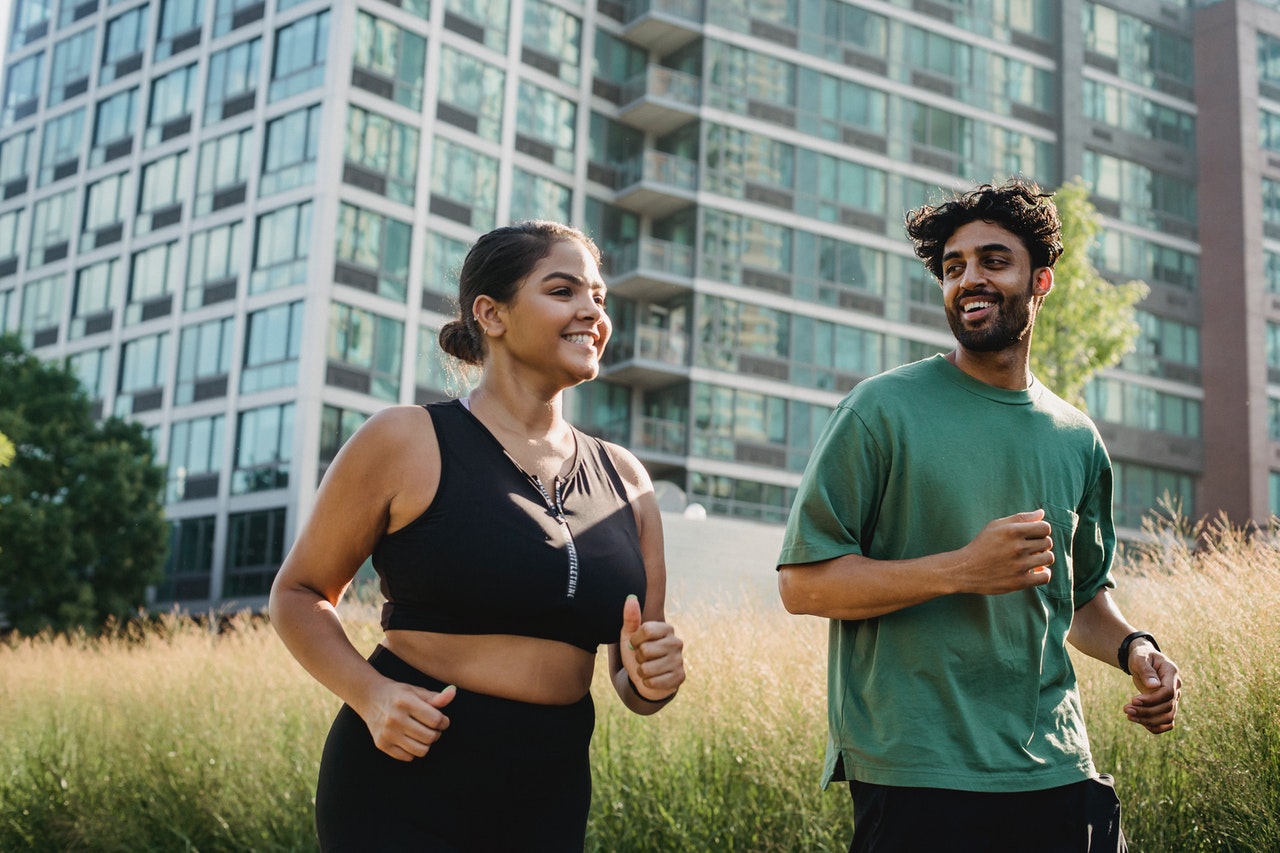
Many people who are overweight often feel self-conscious when comparing themselves to attractive, healthy individuals. However, by following the practical fitness suggestions outlined in this article, you can maximize the benefits of your workout routine and gain confidence in your progress.
If you’re committed to getting fit, it’s time to stop making excuses. Fitness doesn’t require perfection. Not every workout needs to be intense or record-breaking—consistency is key. Even on days when motivation is low, simply showing up and moving your body will make a big difference. Over time, exercise will become a regular and rewarding part of your routine.
Before purchasing a gym membership, research carefully to ensure the gym’s environment suits you. Gyms vary greatly in decor, atmosphere, equipment, and overall vibe. The right atmosphere can significantly influence how often you’ll visit. Visit gyms in person to check the layout, amenities, and how busy they are. If a gym doesn’t feel comfortable, it’s perfectly fine to look elsewhere.
Setting clear fitness goals will improve your chances of success. Many people aim to both build muscle and lose fat simultaneously, but this can be challenging. Knowing what you want—whether it’s fat loss, muscle gain, endurance, or flexibility—can help you tailor your diet and exercise program effectively.
For more fitness articles, visit https://newsparq.com.
One effective tip to enhance muscle gain and recovery is to consume dairy products such as cottage cheese and milk before bedtime. These foods are rich in casein protein, which is slowly digested and helps promote lean muscle growth overnight. Casein protein powders are also an excellent option for a nighttime protein boost.
When exercising at home, use a timer to track each workout set accurately. For example, if you’re using an exercise ball, timing the duration you hold each position can increase muscle endurance and improve results.
To tone and strengthen your legs, incorporate targeted exercises like squats, lunges, leg curls, and calf raises performed both seated and standing. While cardio helps with weight loss, these strength exercises are more effective in shaping and defining specific muscle groups in your lower body.
Adopt a positive mindset during challenging workouts by using the “glass half-full” technique—count down your reps instead of up. This method shifts your focus to how many repetitions remain, rather than how many are done, helping you stay motivated.
If a traditional gym environment isn’t appealing, explore alternative activities like rock climbing, which is gaining popularity. It offers a full-body workout that engages your legs, arms, and back muscles in a fun, exhilarating way.
Welevelup CA provides specialized addiction services. For more information, check out these helpful resources:
Regular exercise can also reduce cancer risk. Research shows that adding 30 minutes of moderate exercise daily may lower the chance of developing certain cancers by approximately 15%. Increasing your exercise time and intensity moderately can further enhance these protective effects.
If your goal is fitness goals, try to progressively complete the same workout with 10% less effort. This approach challenges your muscles to work harder efficiently and improves endurance. For example, if a leg workout takes you 60 minutes, aim to finish it in 54 minutes next time.
Listen to your body—it will let you know when it’s time to stop or rest. While some experts recommend scheduled breaks, personal intuition is crucial. If you feel fatigued or pain, pause your workout to avoid injury.
Maintain a fitness log to track your progress toward your goals. Recording your achievements every four weeks helps you stay motivated and focused without becoming overly fixated on numbers.
For short-distance running, increase your speed to improve form and reduce injury risk. During longer runs, maintain a steady pace to prevent exhaustion and overuse injuries.
Make every dollar spent on fitness count by learning exercises online or from knowledgeable friends before investing heavily in personal trainers. There’s a wealth of free resources available to help you advance your fitness independently.
Dancing is an enjoyable way to improve cardiovascular health and burn calories. Put on your favorite music and create a workout routine inspired by your favorite songs to make fitness fun and engaging.
Avoid exercises you dislike, as this can decrease motivation and hinder progress. Instead, choose activities you enjoy, whether it’s outdoor walking, jump rope, or a sport. Enjoying your exercise increases the likelihood you’ll stick with it long-term.
Jump rope is an excellent, time-efficient workout suitable for busy schedules and small spaces. It burns more calories per minute than many other exercises. Try to jump for at least 10 minutes per session and gradually increase your duration for optimal results.
Without the right fitness knowledge, you may not achieve your desired results. Use the advice shared here to improve your routine and reach your health and fitness goals confidently. Stay positive and don’t let setbacks discourage you!
Important articles:
How to choose the best foot massager?
Frequently Asked Questions (FAQs)
For most people, engaging in moderate exercise 3-5 times per week for at least 30 minutes each session is effective for improving fitness. Consistency is more important than intensity, especially for beginners.
Set clear, achievable goals and track your progress with a fitness journal. Choose activities you enjoy and vary your routine to keep it interesting. Positive self-talk and celebrating milestones also help maintain motivation.
While possible, it’s difficult to optimize both simultaneously. Typically, focusing on one goal at a time—building muscle or losing fat—yields better results. Tailored nutrition and workout plans based on your goals are essential.
No, you can achieve fitness goals at home or outdoors with minimal or no equipment. Bodyweight exercises, walkcing, running, and activities like jump rope or dancing provide excellent workouts.
Always warm up before exercising, use proper form, listen to your body’s signals, and avoid pushing through pain. Rest days and gradual increases in intensity also help prevent injury.