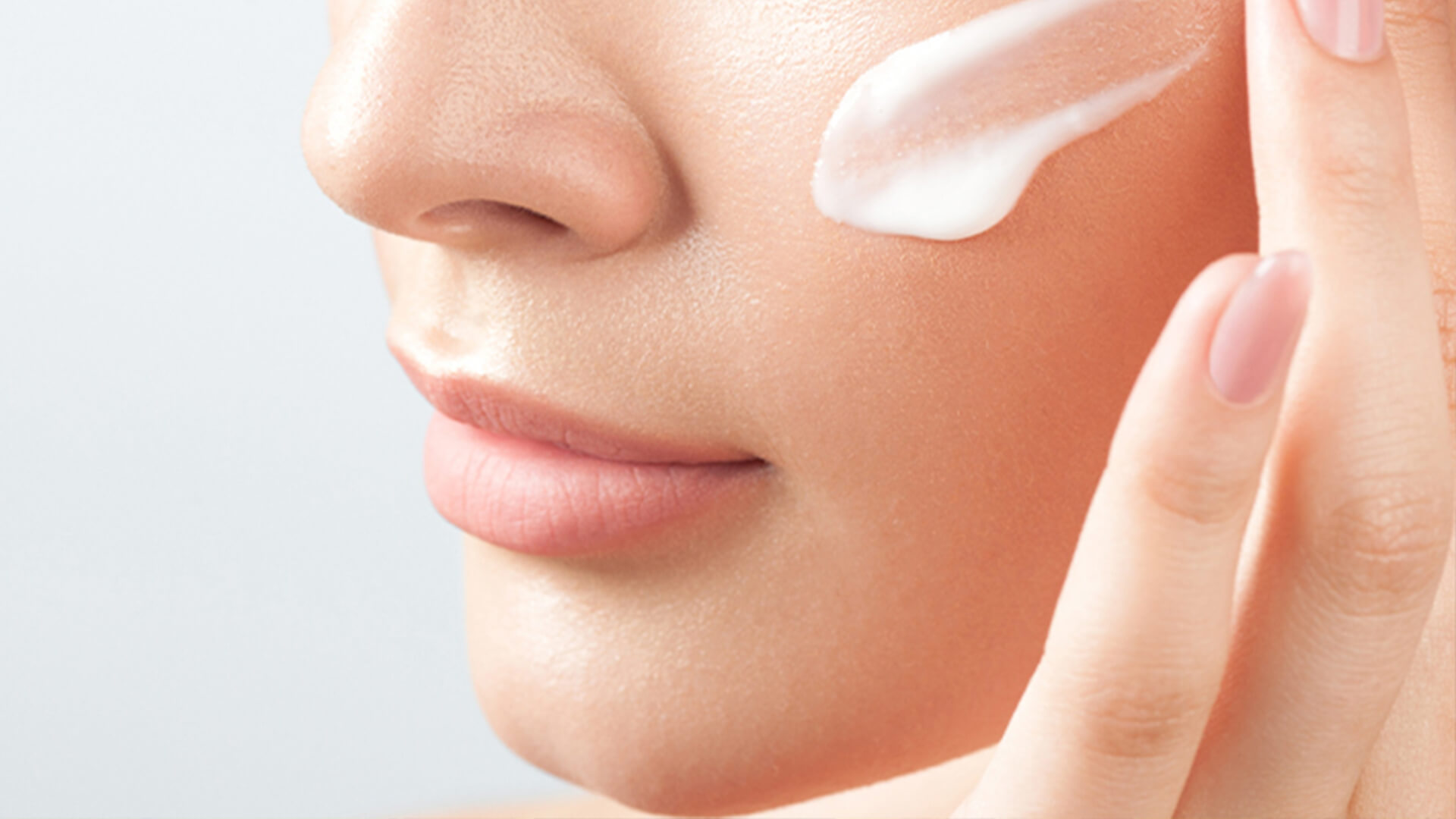
Don’t forget to exfoliate regularly! Exfoliating helps remove dead skin cells and unclog pores, leading to brighter, healthier-looking skin. Aim to exfoliate once or twice a week, depending on your skin type, to maintain a smooth complexion.
Always use skincare products suited to your specific skin type. Using products that are too harsh or drying can cause irritation and damage your skin’s natural barrier. For sun protection, apply a broad-spectrum sunscreen every day, as outlined in skincare.
Sunscreen is crucial not only for protecting your skin from harmful UV rays, as detailed in protecting our skin, but it also helps prevent premature skin aging such as wrinkles and sunspots.
Stay hydrated by drinking plenty of water daily, which supports overall health and keeps your skin looking fresh and radiant. Additionally, prioritize getting sufficient sleep each night, as restful sleep promotes skin repair and rejuvenation.
Choose a gentle, sulfate-free cleanser that preserves your skin’s natural oils. Use your fingertips to apply the cleanser in circular motions before rinsing thoroughly to maintain clean and balanced skin.
Moisturize your skin daily, especially after cleansing and exfoliating, to lock in hydration and prevent dryness. Selecting a moisturizer appropriate for your skin type is key to maintaining healthy skin.
- Use SPF Daily. UV rays can cause significant skin damage, accelerating aging and increasing skin cancer risk. Utilize a broad-spectrum sunscreen with at least SPF 30 every day, even on cloudy days, to protect your skin effectively.
- Moisturize Regularly. Keeping your skin hydrated prevents dryness and wrinkle formation. Apply moisturizer daily, focusing on areas prone to dryness such as the face, neck, and hands.
- Avoid Smoking. Smoking reduces skin elasticity and accelerates wrinkles. Quitting smoking greatly improves your skin’s health and overall wellness.
- Maintain a Healthy Diet. A balanced diet rich in fruits, vegetables, and whole grains provides essential nutrients that support vibrant, healthy skin.
- Get Adequate Sleep. Ensure you get 7–8 hours of quality sleep nightly to reduce stress and promote skin regeneration.
Winter Skin Care Tips
Winter can be harsh on your skin, but with the right care, you can keep it glowing all season. Prevent dryness by hydrating from inside out—drink plenty of water and apply a rich, “heavy-duty” moisturizer suited for colder months, as recommended at skin.
Protect your skin outdoors by wearing scarves or hats and applying sunscreen even during winter, as UV rays still pose risks.
If dryness or irritation occurs, consider products with hydrating ingredients like hyaluronic acid or glycerin, which help lock moisture into your skin. Consult a dermatologist if you have concerns about your skin, using skin’s health and skincare routine for more information.
Tips for Brighter Skin
Achieving a brighter complexion involves several skincare treatments and habits including:
- Regular exfoliation to remove dead skin cells and reveal fresh skin beneath.
- Chemical peels that target dullness and reduce fine lines.
- Microdermabrasion, a deeper exfoliation method to improve texture and radiance.
- Laser therapy to address pigmentation and enhance skin tone.
Everyday Skin Brightening Routine
Follow these simple steps to maintain a luminous, healthy glow:
- Cleansing: Wash your face morning and night with a gentle cleanser, removing makeup thoroughly before bedtime.
- Exfoliation: Use exfoliants two to three times per week to prevent dullness caused by dead skin buildup.
- Moisturizing: Apply moisturizer twice daily to keep skin hydrated and supple.
- Sun Protection: Use a broad-spectrum sunscreen with SPF 30 or higher daily, reapplying every two hours when outdoors, especially if sweating or swimming.
Incorporating these habits into your skincare routine can help you achieve and maintain brighter, healthier-looking skin year-round.
Frequently Asked Questions (FAQs)
For most skin types, exfoliating once or twice a week is sufficient. Sensitive skin types should exfoliate less frequently to avoid irritation.
A rich, emollient moisturizer that contains hydrating ingredients like ceramides, hyaluronic acid, or glycerin works best during colder months to prevent dryness.
Yes, UVA rays can penetrate windows, so applying sunscreen indoors especially near windows is recommended for continuous protection.
Foods high in antioxidants, vitamins C and E, omega-3 fatty acids, and hydration-promoting fruits and vegetables support skin health.
If you experience persistent skin issues such as severe dryness, irritation, unusual spots, or changes in your skin’s appearance, consult a dermatologist promptly.