
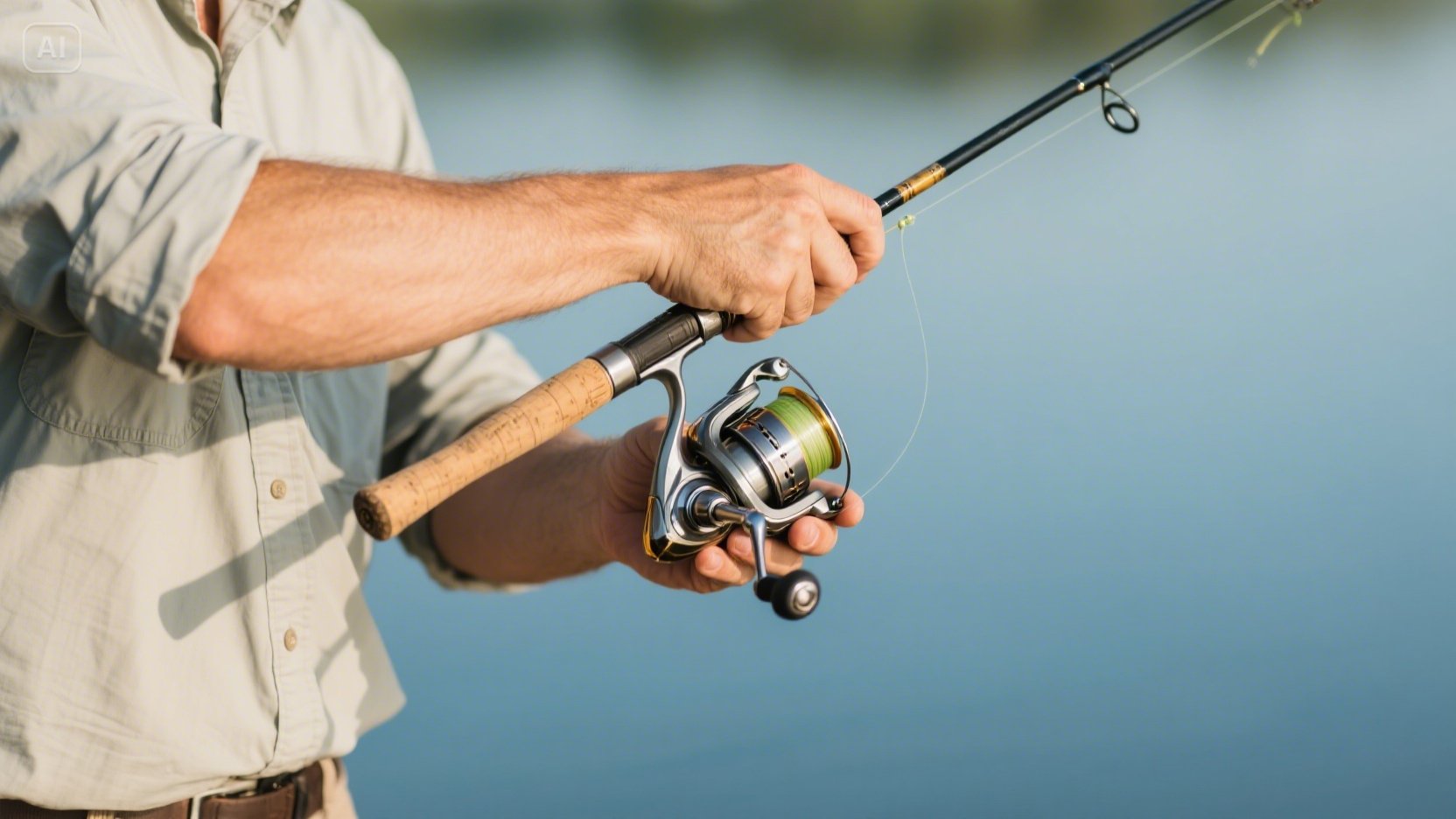
Whether you’re a beginner just getting into the sport of fishing or someone looking to refine your skills, knowing how to use a spinning reel properly can make a big difference in your success and enjoyment on the water. Spinning reels are one of the most popular types of fishing reels thanks to their versatility, ease of use, and ability to cast lightweight lures with precision. In this guide, we’ll walk you through everything you need to know about using a spinning reel, from setting it up to mastering casting technique.
Understanding the Basics of a Spinning Reel
Before diving into the mechanics of fishing with a spinning reel, it’s important to understand its basic components and how they work together:
- Spool: The part that holds the fishing line and remains stationary during casting.
- Bail: The metal arm that flips open to allow line to release during casting and then closes to engage the line for retrieval.
- Handle: Used to reel the line back onto the spool.
- Drag System: Controls tension on the line to prevent breakage when a fish pulls hard.
- Reel Foot: The section that attaches the reel securely to the fishing rod.
Understanding these parts will help you operate your reel more effectively and troubleshoot any issues that come up.
Step 1: Attaching the Spinning Reel to Your Rod
The first step in learning how to use a spinning reel is securing it properly to your fishing rod. Most spinning reels are designed to fit spinning rods that have reel seats near the handle.
- Align the reel foot with the reel seat on your fishing rod.
- Tighten the reel seat rings or locking mechanism snugly to hold the reel in place. Ensure there is no wobble or looseness.
- Check that the reel handle is positioned comfortably for your dominant hand, whether you prefer left or right hand retrieval.
Step 2: Spooling the Reel with Line
Properly loading your fishing line onto the spinning reel is crucial for casting and managing fish effectively.
- Open the bail arm to allow easier line threading.
- Thread the end of your line through the guides on the rod, starting from the tip down to the reel.
- Tie the line securely around the spool using an arbor knot.
- Close the bail arm manually – do not let it snap back automatically, as this can cause line twists.
- Hold the line tight and turn the reel handle slowly to spool the line onto the reel evenly.
- Fill the spool until it is about 1/8 inch below the edge to avoid overfilling, which can lead to line tangles.
It’s important to ensure the line is spooled tightly and evenly to reduce backlash and improve casting distance.
Step 3: Adjusting the Drag
The drag system determines how much resistance a fish feels when pulling on the line. Setting it correctly protects your line from breaking while tiring the fish out.
- Turn the drag knob, usually located on top of the spool, clockwise to increase resistance and counterclockwise to reduce it.
- As a rule of thumb, set the drag to about 20–30% of your line’s breaking strength. For example, if you are using a 10-pound test line, set drag around 2–3 pounds.
- Test the drag by pulling on the line manually to feel the tension.
Adjust your drag depending on the species you are targeting and fishing conditions.
Step 4: Casting with a Spinning Reel
One of the biggest advantages of spinning reels is how easy they make casting light lures and bait. Here’s how to cast effectively:
- Hold the rod with your dominant hand, and place your index finger on the line just above the reel spool to prevent it from unwinding prematurely.
- Open the bail arm with your free hand to allow the line to flow freely.
- Bring the rod tip back over your shoulder in a smooth motion.
- In a fluid forward motion, cast the rod toward your target area, releasing your index finger from the line at the right moment to let the line and lure fly out.
- Close the bail arm manually as soon as your lure hits the water to prepare for reeling.
- Start retrieving the line with the reel handle to begin fishing.
With a bit of practice, you’ll be able to cast accurately and smoothly, maximizing your chances of a successful catch.
Step 5: Retrieving the Line
How you retrieve your line can influence the type of fish you attract.
- Steady Retrieve: Turn the reel handle at a consistent pace to mimic natural movement.
- Stop-and-Go Retrieve: Reel in a few turns then pause, repeating the pattern to imitate injured prey.
- Twitching the Rod: Combine reeling with gentle rod twitches to add action to your lure.
Practice different retrieval techniques to see what works best for the species and conditions.
Tips and Common Mistakes to Avoid
While learning how to use a spinning reel, keep these tips in mind:
- Avoid backlash: Don’t snap the bail arm closed after casting. Instead, close it manually to avoid line tangles.
- Don’t overload your reel: Overfilled lines cause tangles and poor casting.
- Maintain your reel: Rinse with fresh water after use, especially after saltwater fishing, and lubricate parts as needed.
- Choose the right line: Match the line weight and type to your reel’s specifications for optimal performance.
- Practice proper casting form: Keep your movements smooth and controlled.
Conclusion
Mastering how to use a spinning reel is a valuable skill that opens the door to a wide range of fishing opportunities. By understanding your reel’s components, correctly spooling line, adjusting drag, and practicing proper casting and retrieval techniques, you’ll improve your fishing experience and increase your chances of landing fish. Like anything else, practice is key, so get out on the water frequently and refine your skills with patience. Happy fishing!
Apart from that if you want to know about “How Low-Code Development Platforms are Changing the IT Landscape” than please visit our “Featured” category.
For more insights on how a custom web design company can elevate your online presence, check out Beyond the Basics.

