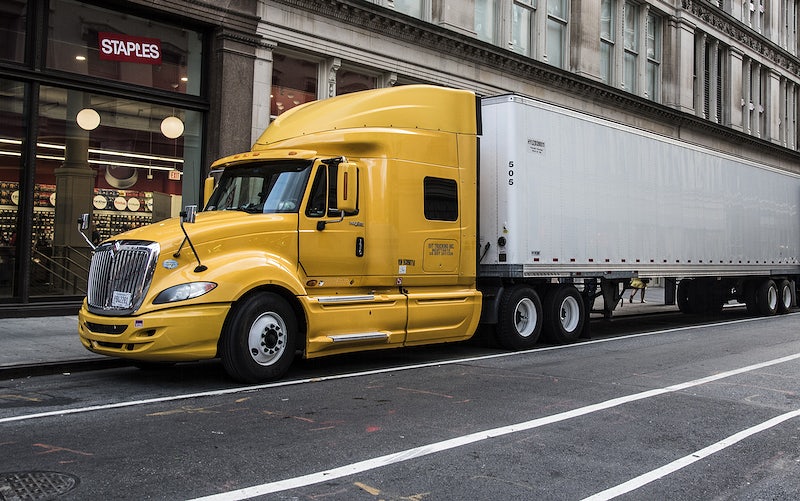
Fleet management plays a vital role in merchandise transportation, where maximizing efficiency, ensuring safety, and maintaining regulatory compliance are crucial. The rise of telematics solutions, such as Geotab, empowers fleet operators with real-time data insights that enhance route planning, reduce operational costs, and strengthen safety measures. This comprehensive article delves into how cutting-edge telematics technologies optimize fleet management, mitigate risks, and guarantee adherence to increasingly complex regulations.
The Growing Role of Telematics in Fleet Management
Telematics combines telecommunications and informatics to offer real-time vehicle monitoring and control. In merchandise transportation, telematics provides critical benefits like instant vehicle tracking, intelligent route optimization, and automated vehicle diagnostics. This access to live data enables fleet managers to make informed decisions, boosting operational efficiency while minimizing costs and risks.
Real-time monitoring allows fleet managers to immediately address issues related to driver behavior, vehicle condition, and fuel consumption. Maintaining this level of oversight is essential for meeting both operational goals and complying with evolving regulatory standards.
Core Features of Telematics for Merchandise Transportation
Real-Time GPS Tracking
Telematics enables precise GPS tracking to monitor vehicle locations, ensure cargo security, and keep deliveries on schedule. This transparency helps prevent unauthorized stops and supports timely deliveries.
Vehicle Diagnostics
Vehicles are continuously monitored through advanced diagnostics, allowing early detection of potential issues. Preventive maintenance reduces vehicle downtime and avoids costly breakdowns, enhancing fleet reliability.
Driver Behavior Monitoring
Telematics tracks driver habits such as speeding, harsh braking, and idling. Analyzing these behaviors promotes safer driving through coaching and reduces the risk of accidents and related expenses.
Temperature Monitoring
For fleets transporting temperature-sensitive merchandise, telematics offers accurate temperature monitoring to ensure goods remain within required conditions. Automated alerts notify managers of any deviations, preventing spoilage and financial losses.
Compliance and Regulations
Hours of Service (HoS) Compliance
Telematics automates Hours of Service tracking, helping fleets comply with regulatory limits and reduce penalties. Managers get real-time insights into driver hours, avoiding violations and managing fatigue effectively.
Electronic Logging Devices (ELD)
ELDs eliminate traditional paper logs by digitally recording driver hours, streamlining compliance and simplifying inspection readiness with accurate, automated reporting.
Fuel Tax Reporting
Telematics data supports compliance with International Fuel Tax Agreement (IFTA) regulations by automatically logging fuel consumption and mileage, ensuring precise and straightforward fuel tax filing.
The Impact on Cost Reduction
Fuel Efficiency
By analyzing traffic patterns and vehicle performance, telematics optimizes routes to reduce fuel consumption. Monitoring and encouraging efficient driving behaviors further contribute to fuel savings.
Reduced Maintenance Costs
Predictive maintenance alerts help resolve vehicle issues early, preventing expensive repairs and unexpected downtime, which leads to significant maintenance cost reductions.
Insurance Premiums
Enhanced safety records, enabled by telematics data, often lead to lower insurance premiums. Fleet operators can leverage this data to demonstrate reduced risks to insurers, optimizing operational costs.
Enhancing Safety and Security
Geofencing for Route Security
Fleets can establish geofences around authorized routes and secure zones, receiving immediate alerts if vehicles deviate. This helps prevent cargo theft and unauthorized route deviations.
Advanced Security Systems
For high-value shipments, telematics offers asset tracking and remote immobilization capabilities, ensuring stolen vehicles can be promptly located and disabled to minimize loss.
Incident Reporting and Analysis
In the event of accidents or security breaches, telematics data enables detailed incident reconstruction. This is invaluable for insurance claims, liability assessments, and driver training purposes.
Integrating AI and Automation in Telematics
AI-Powered Route Planning
Artificial intelligence enhances telematics by analyzing live traffic, road conditions, and weather data, dynamically adjusting routes for optimal efficiency and safety, thereby minimizing delays and improving delivery accuracy.
Automation in Fleet Management
Automation simplifies tasks like scheduling, compliance tracking, and reporting, reducing administrative workload and enabling fleet managers to focus on strategic decisions.
Data Analytics and Reporting
Performance Dashboards
Telematics platforms feature customizable dashboards that display key performance indicators (KPIs), helping fleet managers monitor vehicle location, driver behavior, and fuel consumption in real time.
Trend Analysis
Long-term telematics data enables trend analysis to identify operational inefficiencies, evaluate driver performance, and refine strategies for improved fleet productivity.
Customizing Telematics Solutions for Your Fleet
Scalable Solutions for Fleets of All Sizes
Telematics systems are highly scalable and adaptable, serving fleets ranging from small businesses to large enterprises. Solutions can be customized to meet specific operational requirements, maximizing benefits.
Integrating with Existing Systems
Telematics platforms seamlessly integrate with existing enterprise resource planning (ERP) and logistics software, offering a unified operational view and eliminating data silos to boost efficiency.
Driver Satisfaction and Experience
Streamlining Driver Workflows
Telematics simplifies driver tasks such as logging hours, vehicle inspections, and real-time communication with dispatch, enhancing the overall driver experience through streamlined workflows.
Gamification of Driver Performance
Many telematics platforms incorporate gamification via scoreboards and reward systems to motivate safe and efficient driving, benefiting both drivers and fleet operations.
Common Challenges and How to Overcome Them
Resistance to New Technology
Adoption of telematics may encounter resistance among drivers and staff. Providing comprehensive training and demonstrating how telematics enhances daily tasks and safety can facilitate smoother transitions.
Data Overload
Telematics generates substantial data, which can be overwhelming. Focusing on actionable insights by configuring dashboards to highlight key metrics helps avoid information overload and supports efficient decision-making.
Key Takeaways
Telematics is transforming fleet management in merchandise transportation by improving safety, boosting efficiency, and ensuring regulatory compliance. From lowering fuel and maintenance costs to enhancing security and driver performance, the advantages are substantial. By integrating AI, automation, and customizable solutions, telematics provides a future-proof approach to optimizing fleet operations in today’s dynamic transportation landscape.
Additionally, if you want to learn more about What is the Process for Ordering a BMW, please visit our Automobile category.
FAQs
Telematics provides real-time insights into vehicle health, routes, and driver behaviors, enabling fleet managers to make informed decisions that enhance efficiency, safety, and overall performance.
ROI stems from reduced fuel consumption, lower maintenance costs, decreased accident rates, and improved regulatory compliance, collectively generating significant long-term savings.
Yes, telematics offers proactive vehicle diagnostics that facilitate preventive maintenance, helping to avoid costly breakdowns and extending vehicle lifespan.
By monitoring driver behavior, implementing geofencing, and providing real-time alerts on security issues, telematics systems safeguard both drivers and their cargo effectively.