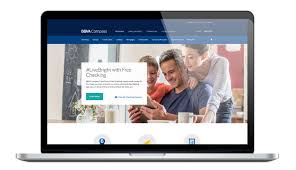
First and foremost, it is crucial to make your business website optimize your website to be SEO-friendly. With millions of websites on the internet, optimizing every element of your site helps search engines associate your business with relevant user searches, driving targeted traffic to your pages.
User Experience
Ensuring your website is fully optimized for SEO is a key step toward creating an effective business effective and user-friendly website. As the online market grows, standing out in search results becomes essential to attract visitors. Optimizing your site’s content and structure for search engines helps form a clear connection between what users are searching for and your business offerings, resulting in increased organic traffic.
An equally important aspect of website usability is implementing a well-defined information hierarchy. How content is organized influences how visitors engage with your site. Building a website without a proper information hierarchy is like building like constructing a house without a blueprint. Make sure your visitors can easily find the content they need, aligned with the primary goals of your website, so they can complete tasks and convert efficiently. For a closer look, see Trusted Data Center Solutions.
Easy Navigation
Clear and easy navigation is essential for helping visitors find information quickly. Your main menu should include the most important links, while secondary navigation can support additional pages. Before finalizing your navigation structure, thoroughly understand your visitors’ goals to tailor the menu for optimal usability.
If navigating your website is difficult or confusing, visitors are likely to leave quickly. A well-organized site with intuitive navigation keeps users engaged longer, which can positively impact your conversion rates and overall user satisfaction.
Inbound Links
Inbound links play a significant role in boosting your website’s SEO. These are links from reputable external websites pointing to your site, signaling to search engines that your content is valuable and trustworthy. Links from social media platforms, blogs, and related business sites can enhance your site’s authority and ranking.
You can increase inbound links by creating high-quality content around trending topics. Promoting this content on social media platforms helps broaden your audience and encourages others to share and link to your website. Additionally, contributing guest posts on reputable blogs within your niche is an effective strategy to boost inbound links and improve SEO.
Domain Name
Your domain name is a fundamental component of a successful business website. It should reflect your brand, product, or business name and be easy for users to remember and type. When choosing a domain, consider targeting your ideal audience.
Opt for a short domain name, ideally consisting of two to three words. Use simple, memorable words, and avoid hyphens or dashes, as they can complicate typing and reduce your site’s shareability and professionalism.
Mobile Responsiveness
Mobile responsiveness is one of the most important aspects of any business website. A responsive design ensures your site automatically adapts to different screen sizes, providing an optimal experience across smartphones, tablets, and desktops. With over 60% of global internet traffic coming from mobile devices as of 2024, having a mobile-friendly website is essential to reaching the widest possible audience.
A mobile-responsive site allows users to easily view content and navigate without unnecessary zooming or scrolling. It should include large, thumb-friendly buttons designed using UI/UX best practices, typically shaped as clickable circles or rectangles for ease of use.
Contact Forms
Contact forms are an essential feature for any effective business website, providing visitors with convenient ways to get in touch, which can significantly increase conversion rates. Customers appreciate the simplicity of easy communication, and accessible contact forms help build trust and loyalty.
When designing contact forms, keep the layout clean and consistent with your brand’s visual style. Avoid overly complex forms with too many fields to prevent overwhelming potential leads. Make sure the form is fully responsive to perform well on all devices. Tools like MightyForms provide responsive contact form solutions that integrate seamlessly with your website.
FAQs
SEO improves your website’s visibility in search engine results, driving more organic traffic, increasing brand awareness, and ultimately boosting sales and conversions.
Focus on clear content organization, easy navigation, fast loading times, mobile responsiveness, and accessible contact methods to provide a seamless and engaging user experience.
A good domain name is short, memorable, easy to spell, reflects your brand, and avoids special characters like hyphens or numbers.
Create valuable and shareable content, engage with relevant communities, share content on social media, and offer guest posting opportunities on reputable sites in your industry.
With the majority of internet traffic coming from mobile devices, a mobile-responsive website ensures users have a positive experience regardless of device, reducing bounce rates and increasing engagement.
Keep forms simple and user-friendly, limit the number of fields, maintain visual consistency with your brand, and ensure the forms are responsive for all devices.