Some puppy owners choose to free-feed their dogs, while others prefer scheduled feeding times. Canine nutritionists generally recommend providing puppies with the right food portions at consistent times to support optimal health and development. We cover this in more depth in 6-Month-Old Kitten.
A puppy’s dietary needs vary based on factors such as age, breed, size, and health conditions. For example, a diabetic dog requires a specialized meal plan compared to a healthy dog of the same age and breed.
Ensuring your puppy receives both physical and mental stimulation alongside a balanced diet is crucial for their well-being. Additionally, pet owners should consider investing in comprehensive pet insurance for dogs to stay financially prepared for unexpected veterinary expenses.
Cheap pet insurance offers coverage for your puppy’s basic health needs during unplanned vet visits, making medical care more affordable and accessible. While considering a suitable insurance policy, continue reading to discover the key benefits of scheduled puppy feeding.
What Is Scheduled Feeding?
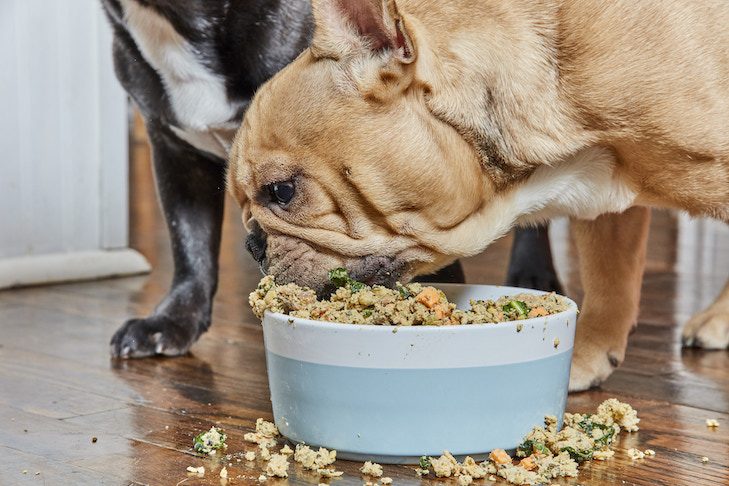
Scheduled feeding involves providing your puppy with a measured amount of food at set times daily, typically two to three meals per day as recommended by veterinarians. The exact frequency may vary depending on your dog’s individual health and lifestyle.
This feeding approach helps your dog anticipate meal times, often signaling when they are ready to eat. Scheduled feeding also enables pet parents to monitor their puppy’s eating habits closely and nurture a stronger bond during mealtimes.
Another advantage is better management of your puppy’s potty schedule since you can predict when they may need to relieve themselves shortly after eating — making it easier to maintain a consistent bathroom routine.
Benefits of Scheduled Puppy Feeding
- Portion and Weight Control: You can manage exactly what and how much your puppy eats, helping to prevent overeating and obesity by monitoring their weight closely.
- Detect Preferences and Health Issues: Scheduled feeding reveals your dog’s likes and dislikes, highlights changes in appetite, and may indicate potential health problems early on.
- Improved Food Consumption: This method is especially effective for offering fresh or wet food, ensuring your puppy finishes their meals and minimizing waste.
- Facilitates Multi-Pet Feeding: In households with multiple pets, scheduled feeding can reduce food aggression and help maintain harmony, although supervision may still be necessary.
- Supports Routine and Reduces Anxiety: Regular meal times provide structure that calms anxious dogs, aids digestion, and lowers the risk of bloat by preventing overeating.
One challenge of scheduled feeding is the requirement for your physical presence to serve the meals, which may not always be convenient. Additionally, sometimes your puppy may not feel hungry but is encouraged to eat because food is served on schedule.
Observe your puppy’s reactions carefully to understand their individual needs. Feeding inappropriate food items can lead to gastrointestinal issues, so adjusting the feeding plan as necessary is essential.
Alongside maintaining a proper feeding schedule, consider securing suitable pet insurance like pet insurance for dogs to reduce the financial burden of medical treatment in emergencies or health complications.
Opting for affordable, reliable pet insurance ensures your puppy receives timely medical care without compromising quality due to economic concerns, providing peace of mind as your furry friend grows and thrives.
Frequently Asked Questions (FAQs)
Puppies typically need to be fed 3 to 4 times a day until they are about six months old. After that, feeding can be reduced to two meals per day. However, consult your veterinarian for personalized recommendations based on your puppy’s breed and health.
Free-feeding allows dogs to eat whenever they want, which may lead to overeating and obesity. Scheduled feeding helps regulate intake, prevents weight gain, and makes it easier to monitor your puppy’s appetite and health.
High-quality, balanced puppy food formulated with the appropriate nutrients for growth is essential. Wet, dry, or a mix of both can be used depending on your puppy’s preferences and needs. Always consult your vet for specific dietary guidance.
Yes, scheduled feeding can be integrated with training routines by using meal times as rewards or incentives, enhancing your puppy’s learning and obedience.
Feed each pet separately according to their specific dietary requirements. Scheduled feeding helps prevent food aggression and ensures each pet receives appropriate portions.