Boulder, CO, is a thriving hub for sustainable construction, where many homeowners prioritize eco-friendly materials and innovative designs. However, these environmentally conscious homes are not immune to water damage, which can originate from heavy rains, burst pipes, or plumbing failures water damage. Water intrusion poses a significant threat to the durability and safety of sustainable structures. This comprehensive guide explores why professional water damage water damage restoration services are essential to protect and preserve Boulder’s eco-friendly homes.
The Impact of Water Damage on Sustainable Homes
Eco-friendly homes in Boulder often incorporate natural and recycled materials such as bamboo, reclaimed wood, and organic insulation. While these materials offer excellent environmental benefits, they tend to be more vulnerable to water damage. Prolonged moisture exposure can result in multiple problems, including:
- Warping and Rotting: Water can deform wooden structures and compromise the strength and flexibility of bamboo.
- Mold and Mildew Growth: Organic insulation materials like cellulose or wool provide an optimal environment for mold proliferation, which can affect indoor air quality and structural health.
- Structural Weakening: Recycled and natural materials may deteriorate faster under continuous water exposure compared to conventional building materials.
Engaging a trusted water damage restoration company is crucial to address these challenges promptly and ensure the long-term durability of sustainable construction.
Key Steps in Water Damage Restoration for Sustainable Homes
Restoring Restoring water-damaged sustainable homes requires specialized expertise to preserve their unique materials and eco-conscious designs. A professional water damage restoration company near me restoration team typically follows these vital steps:
- Damage Assessment: Evaluating thoroughly evaluate the scope of water damage, including hidden moisture and affected areas.
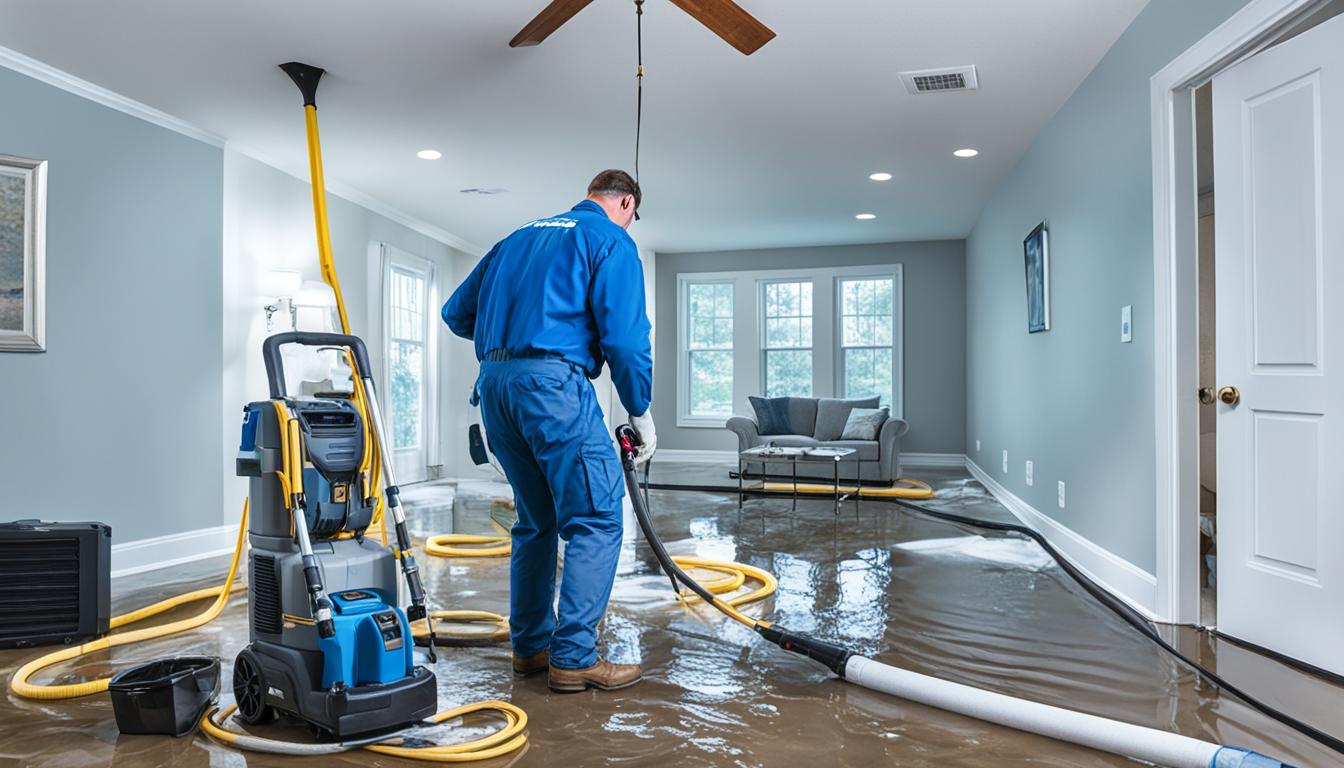
- Water Extraction: Utilizing advanced, eco-friendly equipment to remove standing water efficiently without harming sustainable features.
- Drying and Dehumidification: Employing energy-efficient drying systems to eliminate residual moisture and prevent mold formation.
- Mold Remediation: Safe and effective removal of mold while preserving the integrity of natural and recycled materials.
- Repairs and Restoration: Replacing or repairing damaged restoring damaged components using sustainable and eco-friendly alternatives.
Following these processes ensures Boulder’s green homes are restored holistically without compromising their environmental integrity.
Challenges of Restoring Sustainable Homes
Restoration experts face unique challenges when dealing with sustainable homes in Boulder, such as:
- Handling Sensitive Materials: Bamboo, straw bale, and recycled wood require gentle, careful treatment to prevent further damage.
- Green Roof Preservation: Excess moisture can damage green roofs and their underlying structures, necessitating specialized restoration techniques.
- Complex Rainwater Harvesting Systems: Improper maintenance or damage to these systems can worsen water intrusion issues and complicate restoration efforts.
Professional restoration services restoration teams apply innovative methods and eco-conscious practices to overcome these obstacles effectively.
Preventing Water Damage in Sustainable Homes
Prevention is key to protecting Boulder’s sustainable homes from costly repairs. Homeowners can minimize water damage risks by implementing the following measures:
- Maintain Green Roofs: Perform regular inspections and ensure proper drainage to avoid water accumulation.
- Inspect Plumbing Systems: Routinely check pipes for leaks or weaknesses; insulate vulnerable pipes to prevent freezing and bursts.
- Seal Vulnerable Areas: Apply eco-friendly sealants around foundations, windows, and doors to prevent water infiltration.
- Install Smart Water Sensors: Advanced leak detectors can provide early warnings, helping homeowners address issues before they escalate.
The Role of Technology in Water Damage Restoration
Modern water damage restoration companies in Boulder utilize cutting-edge technology to enhance restoration effectiveness. Infrared cameras detect hidden moisture behind walls and under floors, enabling targeted interventions. Industrial-grade dehumidifiers and air movers accelerate drying times while minimizing energy use—critical for maintaining the sustainability of green homes.
By partnering with a reputable water damage restoration company, homeowners can leverage these innovative technologies to preserve their homes’ eco-friendly features and structural integrity.
Choosing the Right Water Damage Restoration Provider
When selecting a restoration provider, Boulder homeowners should seek companies experienced in sustainable construction sustainable and eco-friendly properties. Consider providers that hold relevant certifications, have positive customer reviews, and demonstrate a history of successfully restoring green homes. Additionally, many local restoration companies assist with insurance claims, which can simplify the recovery journey.
Water damage presents serious risks to Boulder’s sustainable homes, but with the right restoration strategies and prompt action, homeowners can protect their investments while honoring their environmental values. Partnering with a trusted water damage restoration company ensures your eco-friendly home remains resilient and healthy for years to come.
Don’t let water damage undermine the strength and value of your sustainable home. Take proactive measures today to safeguard your property and preserve its eco-conscious legacy.
FAQs: Water Damage Restoration in Sustainable Homes
A1: Some natural and recycled materials used in sustainable construction are more susceptible to moisture-related issues like warping and mold, making timely restoration critical.
A2: Restoration should ideally start within 24 to 48 hours to prevent mold growth and minimize structural damage.
A3: Yes, specialized restoration teams have the expertise to repair and preserve green roofs and rainwater harvesting systems while minimizing environmental impact.
A4: Technologies such as infrared moisture detection, industrial dehumidifiers, and air movers enhance efficiency and help preserve delicate eco-friendly materials.
A5: Regular maintenance of plumbing, green roofs, and rainwater systems, sealing vulnerable points, and installing smart leak detectors are effective prevention strategies.