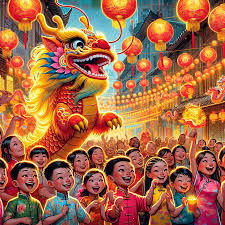
The Chinese New Year, also known as the Spring Festival, is a vibrant and joyous public holiday celebrated by families and communities across China and around the world. This week-long festival is marked by a variety of traditional activities including family reunions, decorating homes, exchanging red envelopes, visiting parks and temple fairs, and setting off fireworks and firecrackers. Expats seeking ESL jobs in China will find the celebrations a fascinating insight into Chinese culture and traditions, and enjoy the lively atmosphere created by the Chinese community during this festive period. Below are some popular ways to celebrate the Chinese New Year.
Watching Dragon and Lion Dances
One of the most iconic Chinese New Year activities is watching the dragon and lion dances. In Chinese culture, the lion symbolizes wisdom, power, and superiority. These dynamic dances are performed during major festivals and celebrations to welcome good fortune, luck, and new beginnings. The lion and dragon dances are essential elements of Chinese New Year festivities, believed to usher in prosperity and happiness for the coming year. When teaching English in China, it is important to include education about these traditional dances to deepen appreciation of Chinese heritage and history.
Performed with energy, music, and vibrant costumes, these dances often last for extended periods during the festival, engaging the community and enhancing the festive spirit. They are a joyous celebration that brings people together to welcome the New Year with enthusiasm and positivity.
Enjoying a Family Reunion Dinner
The family reunion dinner is the cornerstone of Chinese New Year celebrations. Often regarded as the most important meal of the year, families travel from near and far to return to their hometowns and gather with extended relatives. This heartwarming tradition involves sharing a sumptuous meal featuring symbolic dishes such as fish (representing abundance), dumplings (symbolizing wealth), chicken, and seasonal vegetables.
Each dish carries meaningful blessings for luck, success, and prosperity in the year ahead. The reunion meal is an opportunity for families to strengthen bonds, reflect on the past year, and welcome the new one together.
Exchanging Red Envelopes (Hongbao)
Exchanging red envelopes filled with money, known as hongbao, is a cherished tradition during the Chinese New Year. These red packets symbolize good luck and are given to children, unmarried adults, and employees as a sign of good wishes for health, growth, and success. The red color and elegant Chinese calligraphy on the envelopes convey prosperity and ward off evil spirits.
Beyond the New Year, red envelopes are also exchanged during weddings, birthdays, and other special occasions to maintain strong relationships among family and friends.
Setting Off Fireworks and Firecrackers
The Chinese New Year is famously welcomed with spectacular displays of fireworks and firecrackers. These loud and dazzling celebrations light up cities and towns across China to scare away evil spirits and invite luck and happiness. It is a popular belief that the louder the firecrackers, the better the fortune for farming, business, and family prosperity in the coming year.
Foreign teachers seeking ESL jobs in China will have the unique chance to witness these breathtaking fireworks shows, enjoying unforgettable moments with their friends and local community.
Expats teaching English in China can immerse themselves in Chinese New Year festivities by visiting public celebrations, temple fairs, and parks—key venues for cultural performances, traditional food stalls, and vibrant markets. Participating in these events offers an enriching and memorable experience for anyone living, working, or studying in China during the New Year season.
FAQs About Chinese New Year Celebrations
The dragon and lion dances are traditional performances believed to bring good luck, prosperity, and ward off evil spirits for the New Year. They are deeply rooted in Chinese culture and symbolize strength, wisdom, and happiness.
The reunion dinner is a vital tradition that symbolizes family unity and togetherness. It allows family members to reconnect, reflect on the past year, and express hopes for prosperity and happiness in the coming year.
Red envelopes, or hongbao, are given to convey blessings of good luck, health, and success. The red color represents good fortune and wards off evil spirits, making it a meaningful gift during Chinese New Year and other celebrations.
While fireworks are a traditional part of Chinese New Year celebrations, some cities in China have restrictions due to safety and environmental concerns. However, official public displays and designated areas often host spectacular fireworks shows.
Expats can enjoy Chinese New Year celebrations by attending public celebrations, temple fairs, and community events that showcase traditional performances, food, and cultural activities.