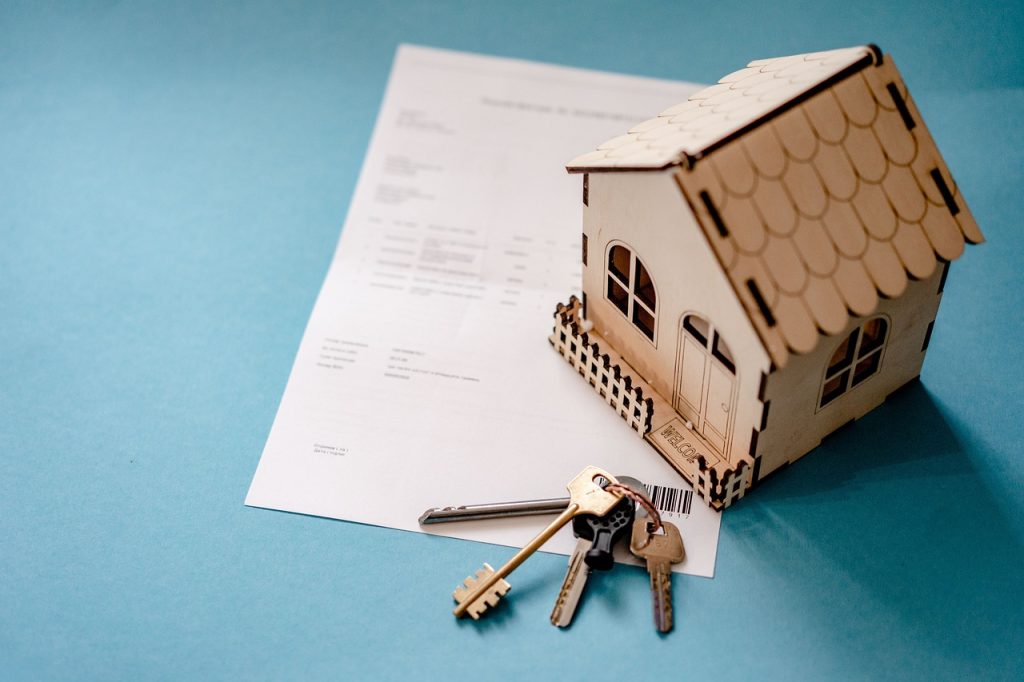
Residential real estate“>real estate refers to properties developed specifically for people to live in. These areas are designated solely for residential use and are typically restricted from industrial or commercial activities, although regulations may vary depending on the location. Residential real estate offers lucrative opportunities for generating income through renting or selling properties as market values appreciate over time.
You might also be interested in exploring the residential housing project Eighteen Islamabad“>here.
Different Types of Residential Real Estate
Standalone Houses: Often referred to as detached residences, standalone houses are one of the most common types of residential properties, providing privacy and individual ownership.
Townhouses: Townhouses, or townhomes, are terraced homes usually built on multiple floors with a small footprint, sharing one or two walls with neighboring units.
Condominiums: Condominiums are buildings divided into individually owned units within a shared structure, offering various amenities and shared maintenance responsibilities.
Multifamily Houses: These include duplexes and fourplexes—properties that house multiple families. Buildings with more than four units are usually classified as commercial real estate. Also worth reading: Right of First Refusal (ROFR).
Advantages of Investing in Residential Real Estate
Investing in residential properties is increasingly popular due to its numerous benefits, including:
Steady Cash Flow
Rental income from residential real estate provides a consistent and reliable cash flow. The location plays a crucial role in maximizing rental returns. Investors can own multiple properties, diversifying income sources and covering extra expenses or saving for the future.
Long-Term Financial Security
Owning residential property is a secure investment that typically appreciates over time. Market trends show that property values tend to increase, allowing investors to sell their homes at a profit in the long run—though appreciation depends on factors like location and property condition.
An Asset to Pass on to Future Generations
Many homeowners invest in residential real estate to build wealth for their children and future generations. Properties can serve as financial support for educational expenses or inheritance, enhancing family stability.
Protection Against Inflation
Real estate investments serve as a strong hedge against inflation. As the cost of living rises, property rental rates and values typically increase, helping investors maintain purchasing power and potentially increasing their rental income.
Appreciation in Property Value
Residential properties generally appreciate over time, making them attractive long-term investments. Savvy investors often see their real estate portfolio values grow substantially, sometimes doubling the initial investment value.
Trending Business: Residential Real Estate in Pakistan
Residential real estate is a booming market in Pakistan, attracting both local and international investors. With increasing urbanization and demand for quality housing, investing in residential properties remains a profitable venture with strong growth potential.
The Bottom Line
Residential real estate remains a popular choice among investors due to its potential for generating steady income and long-term financial security. Owning residential properties provides a fixed asset that can be leveraged or liquidated as needed, making it a versatile investment option.
About the Author
Frequently Asked Questions (FAQs)
Residential real estate typically includes standalone houses, townhouses, condominiums, and multifamily houses such as duplexes and fourplexes.
Yes, renting out residential properties is a common way to generate steady cash flow and maximize the investment’s potential.
As inflation rises, property values and rental income usually increase, helping investors maintain the real value of their investments.
Residential real estate often appreciates over time, making it a secure and potentially profitable long-term investment option.
Yes, factors such as market fluctuations, property location, maintenance costs, and economic conditions can affect investment returns. It is important to conduct thorough research before investing.