Engaging in sports or exercise always carries a risk of injury. While Sports injuries can significantly lower this risk when appropriate safeguards and protective gear are used, injuries cannot be completely eliminated. Moreover, untreated sports injuries can become chronic, leading to long-term complications and prolonged recovery times.
Sports injuries may be classified as acute or chronic, with severity ranging from mild to severe. Sports such as soccer, football, and wrestling are commonly associated with acute injuries due to their high-contact nature.
The most frequently injured areas in athletes are the knee, hand, and shoulder, which can sometimes result in severe damage. Conversely, overuse injuries often develop gradually and are frequently overlooked because their symptoms emerge slowly. Many athletes or active individuals may suffer from serious overuse injuries without recognizing them and continue to participate in their sport without seeking medical attention.
Common Types of Sports Injuries
- Muscle strains and tears
- Concussions
- Sprains and strains
- Labral tears
- Bone fractures
- Epicondylitis (tennis elbow or golfer’s elbow)
- Anterior Cruciate Ligament (ACL) injuries
- Joint dislocations
- Joint abrasions
- Shin splints
- Achilles tendon injuries
- Patellofemoral pain syndrome
- Plantar fasciitis
Common Causes of Sports Injuries
- Wearing improper or ill-fitting sports attire
- Using unsuitable or faulty sports equipment
- Inadequate warm-up or stretching routines prior to activity
- Poor overall health or fitness level
- Insufficient or inappropriate training techniques
- Overuse leading to chronic joint and muscle wear and tear
- Returning to sports prematurely after an injury without proper rehabilitation
- Incomplete rehabilitation lacking a focus on sports-specific muscle strengthening
When to See a Doctor for Sports Injury Treatment
If you experience a severe acute injury during sports or exercise, it is critical to seek immediate medical attention, preferably from an orthopedic surgeon experienced in sports injuries. Urgent medical care is recommended if you experience any of the following symptoms during or after sporting activities:
- Loss of consciousness or altered brain function
- Sudden and severe back pain
- Confusion or disorientation
- Nausea or vomiting
- Obvious bone fractures
- Significant swelling or deformity
- Limb numbness or inability to move an extremity
Diagnosis of Sports Injuries
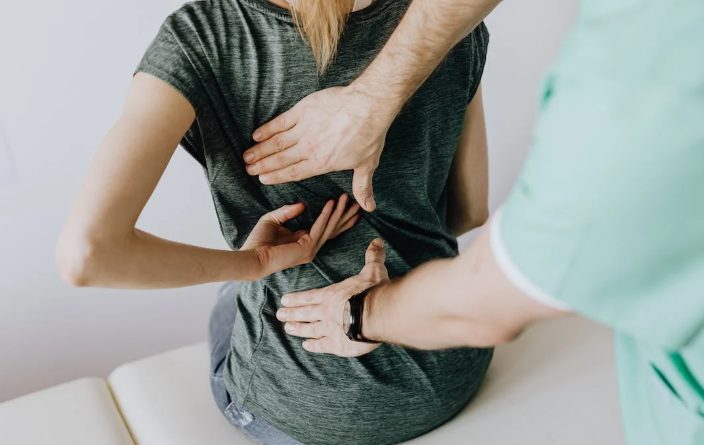
Your doctor will begin the diagnosis by reviewing your medical history, the mechanism of injury, and the symptoms you report. A thorough physical examination will help determine the type and extent of injury. Depending on the findings, your physician may prescribe medications or order advanced imaging tests such as X-rays, MRI, or CT scans to further evaluate the injury and rule out more serious conditions.
These diagnostic tools allow healthcare professionals to precisely assess the affected area, facilitating an accurate diagnosis and informing an effective treatment plan.
Who Is a Sports Medicine Doctor?
Sports medicine doctors specialize in the prevention, diagnosis, treatment, and rehabilitation of sports-related injuries. Both surgeons and non-surgeons can practice sports medicine and orthopaedic exercise physiology. If surgical intervention is needed, it is important to consult an orthopedic surgeon specializing in sports-related injuries.
Sports medicine specialists provide care not only to professional athletes but also to recreational athletes and anyone who participates in physical activities. Your primary care physician is often your first point of contact; if specialized care is necessary, they will refer you to a sports medicine expert.
Tips to Prevent Common Sports Injuries
- Use sport-appropriate equipment and wear supportive footwear to protect your feet and prevent injuries leading.
- Maintain a well-rounded fitness routine that includes strength training, flexibility exercises, and cardiovascular conditioning.
- Stay hydrated by drinking plenty of water to avoid heat-related illnesses such as heat exhaustion and heat stroke.
- Incorporate proper stretching techniques to enhance muscle elasticity and reduce injury risk.
- Listen to your body—rest when you feel fatigued or experience pain.
- Engage in proper rehabilitation after any injury to ensure complete recovery and prevent re-injury.
- Always perform adequate warm-up and cool-down exercises before and after physical activity.
For more detailed information, visit neemtreehealthcare.com and explore the “Sports Injury” page under the Specialties section.
Frequently Asked Questions (FAQs)
Recovery time varies depending on the type and severity of the injury. Minor injuries might heal within a few days to weeks, while more severe injuries may require months and possibly surgical intervention along with rehabilitation.
While many sports injuries can be prevented with proper training, equipment, and precautions, not all injuries are avoidable, especially those caused by accidents or collisions.
Rehabilitation should begin as soon as the acute phase of injury passes and with guidance from a healthcare professional. Early and appropriate rehab improves recovery outcomes and reduces the risk of re-injury.
A sprain refers to injury of ligaments (tissues connecting bones), whereas a strain involves injury to muscles or tendons (connect muscle to bone).
Your doctor or orthopedic specialist will assess your injury using physical exams and imaging tests to determine whether surgery is necessary based on the type and extent of damage.